Home Services Sectors ISO 20001 About Publications Book a Call
Sectors · From farm to fork

Food loss and waste looks different everywhere

A farm loses food in the field, a hotel at the buffet, a manufacturer on the line, a retailer on the shelf. I work across the whole food supply chain, so I know where losses hide in each part of it, and where they move from one actor to the next.

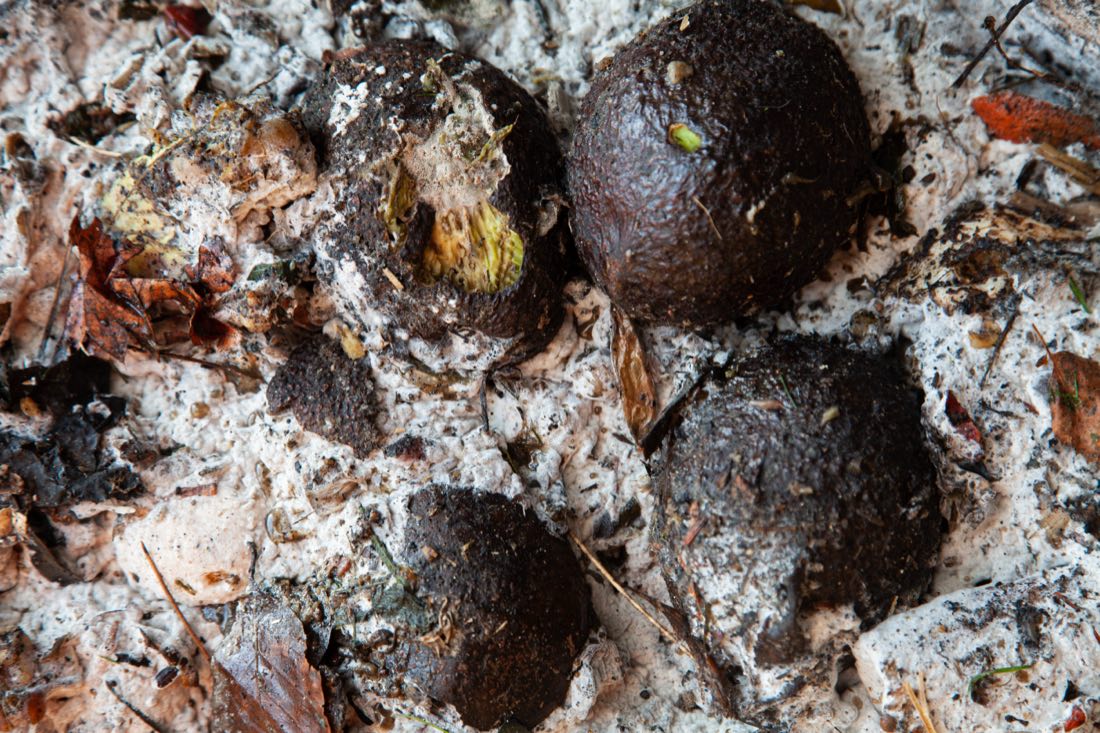
Avocados decomposing in compost
Avocados in compost, Lavigny, 2022. Photo: Natalia Krylova
01

Primary producers

Farms, growers and fisheries. Losses at harvest and post-harvest are often large and rarely measured: produce left in the field, graded out for looks, or spoiled in storage and transport.

Typical hotspots

  • Unharvested or rejected produce
  • Cosmetic grading and contract specifications
  • Storage, cooling and transport

How I help

  • Field-level loss measurement
  • Alternative outlets for out-of-spec produce
  • Training for farm teams, drawing on my own volunteer work on regenerative farms
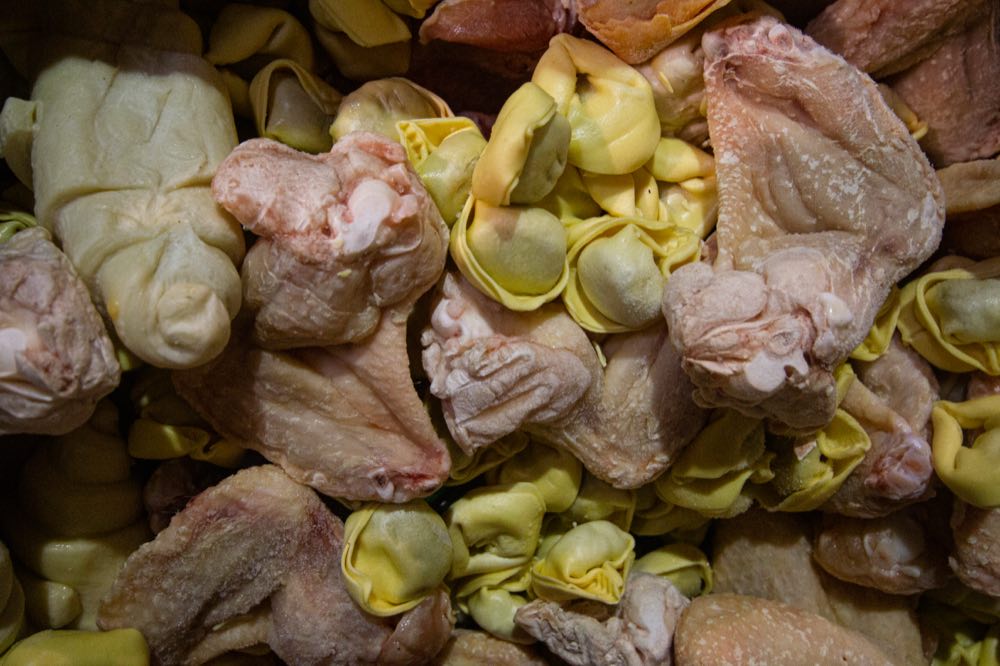
Still edible chicken and tortellini discarded
Still-edible food sent for composting, Lavigny, 2022. Photo: Natalia Krylova
02

Food service

Restaurants, hotels, and public sector and private catering. Waste happens in three places: in storage and preparation, in overproduction, and on the plate.

Typical hotspots

  • Overproduction, buffets and menu planning
  • Portion sizes and plate waste
  • Purchasing and stock rotation

How I help

  • Waste measurement by stream: storage, preparation, plate
  • Menu, portion and forecasting changes that cut cost
  • Kitchen team training and surplus redistribution, building on my work with Refettorio Geneva
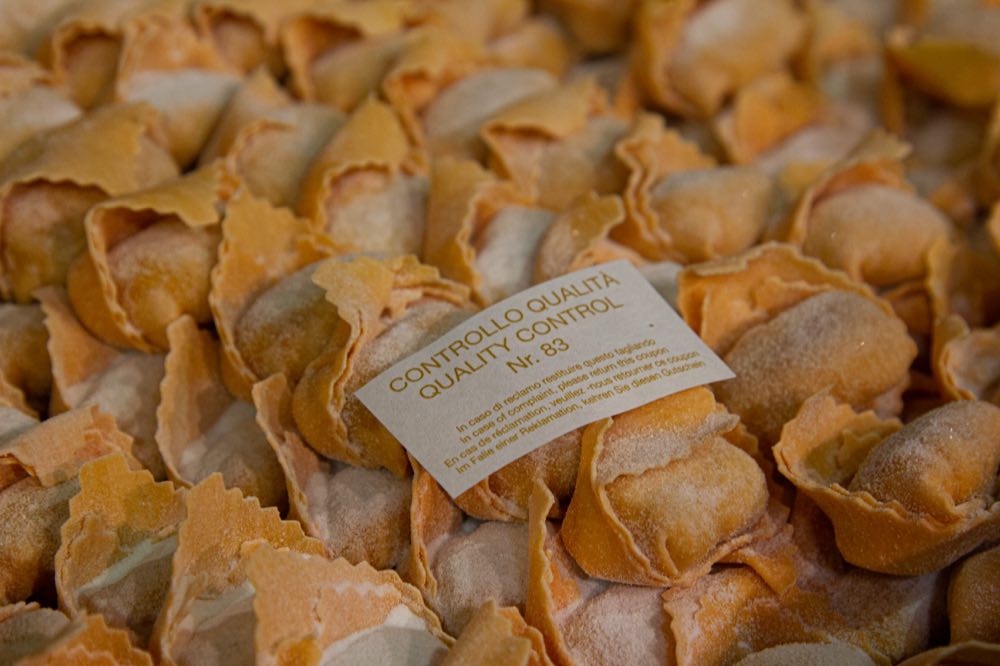
Artisan ravioli with a quality control label, discarded
Artisan ravioli with its quality-control label, Lavigny, 2022. Photo: Natalia Krylova
03

Manufacturers

Processing and manufacturing, where yield losses, trimming, changeovers and quality rejects add up, and where FSSC 22000 v7 FLW requirements and ISO 20001:2026 set clear expectations.

Typical hotspots

  • Process yields, trimming and rework
  • Line changeovers and quality rejects
  • Returns and cancelled orders from retailers

How I help

  • Baseline and FLW cost quantification
  • FLW system that meets the FSSC 22000 v7 FLW requirements
  • By-product valorisation and surplus procedures
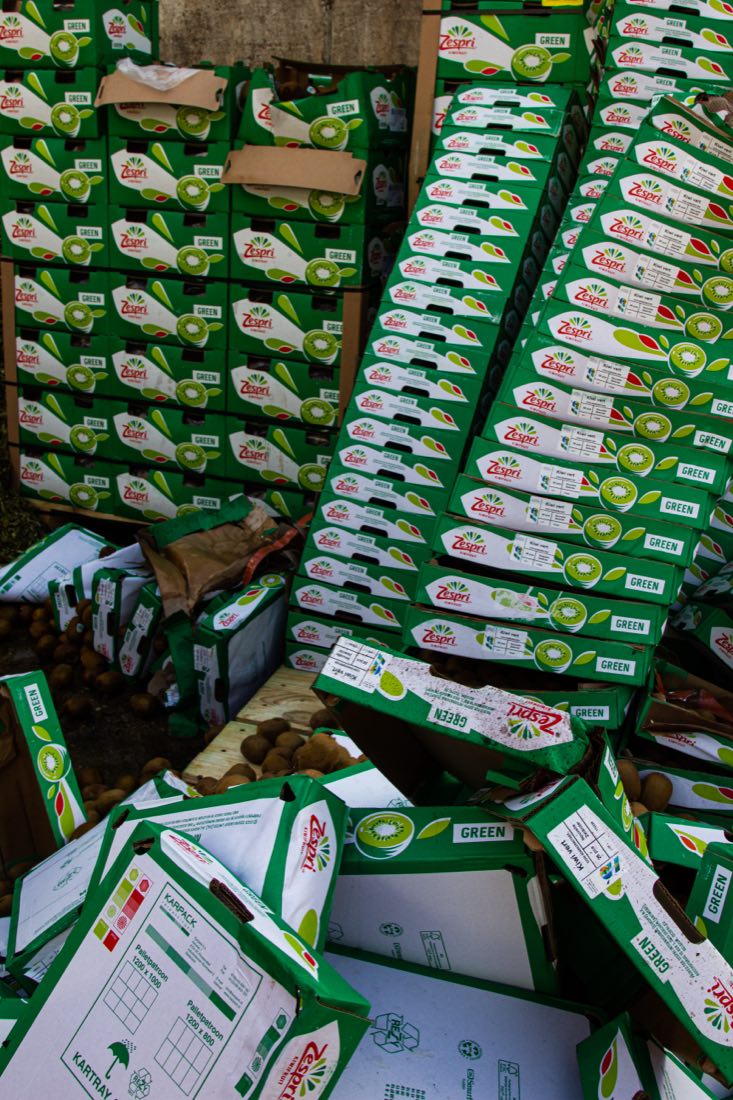
Boxes of kiwis from New Zealand discarded after a storage or transport defect
Kiwis from New Zealand, discarded after a storage or transport defect. Photo: Natalia Krylova, 2022
04

Retail

Supermarkets and wholesale. A low in-store waste rate does not always mean low waste: returns and cancelled orders can push food loss onto suppliers. Honest measurement looks at the whole picture.

Typical hotspots

  • Forecasting, ordering and markdowns
  • Fresh produce handling and cold chain
  • Returns and back-hauling to suppliers

How I help

  • FLW measurement aligned with the FLW Protocol
  • Surplus redistribution and donation partnerships
  • Supplier collaboration
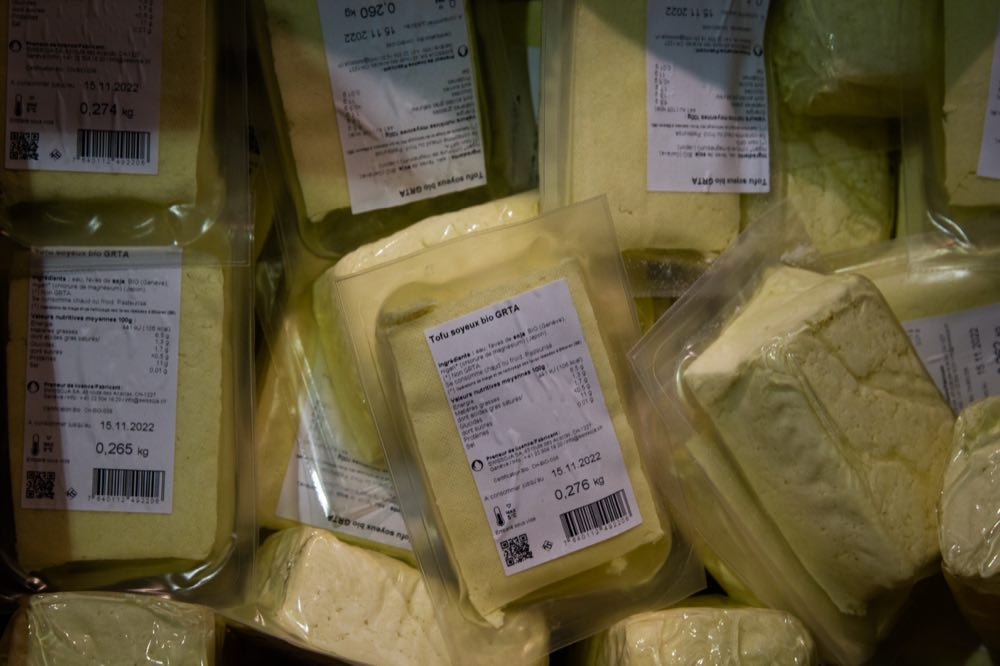
Packs of local organic tofu discarded before their use-by date
Local organic GRTA-label tofu, Lavigny, 2022. Photo: Natalia Krylova
05

Final consumers

Households waste a large share of food, which means businesses and public bodies that reach consumers can make a real difference through date labelling, pack sizes, communication and education.

How I help

  • Consumer-facing awareness campaigns and content
  • Workshops for communities, schools and employees
  • Advice on labelling and pack-size decisions
Next step

Where is food lost in your business?

A short, fixed-fee Quick Scan shows your hotspots and what they cost.